
Basement Water Removal in Richmond Hill
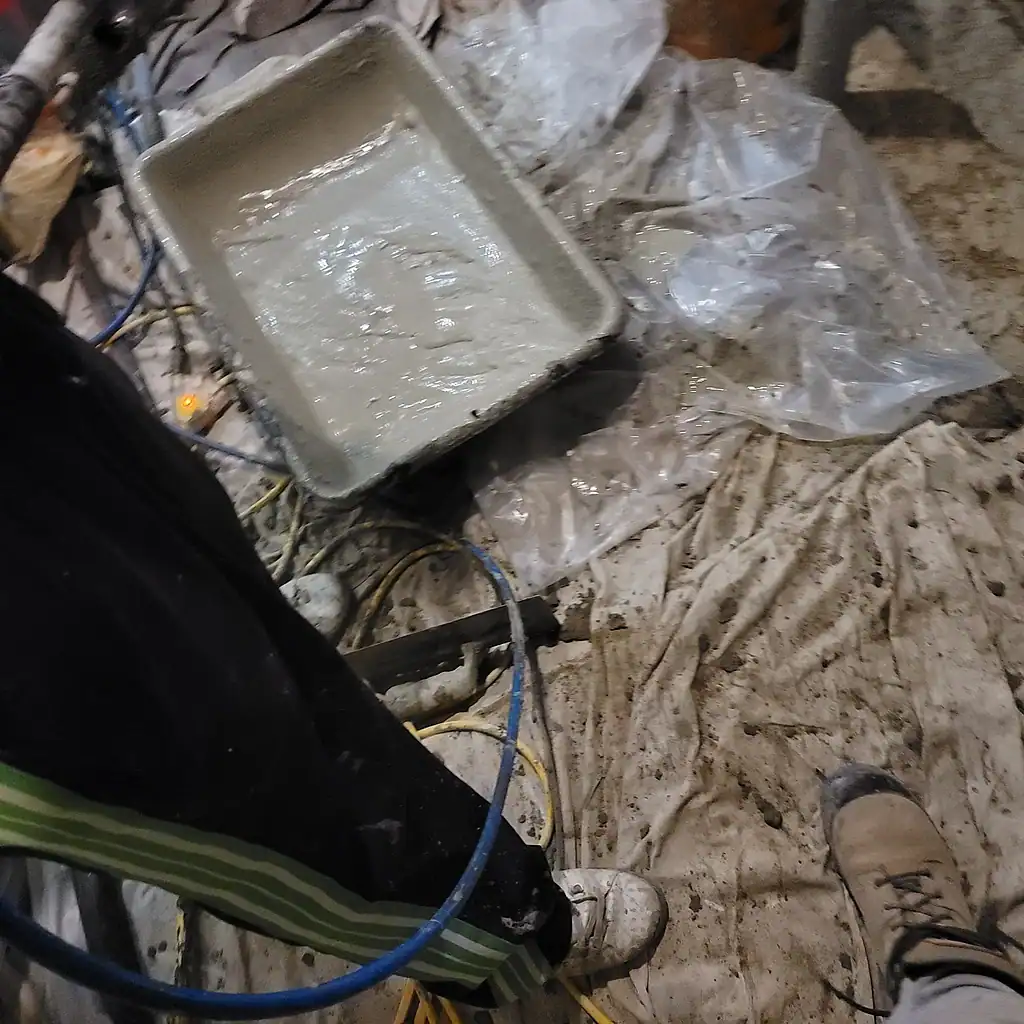
Standing water in a basement needs to come out fast, and the right equipment makes all the difference between a quick, thorough pump out and a slow, incomplete one that leaves hidden moisture behind. Flood Tech Basement Waterproofing provides emergency basement water removal across Richmond Hill using industrial pumps and extraction equipment, available around the clock to get standing water out before it causes further damage.
What Is Basement Water Removal and Why It Matters?
Basement water removal is the process of extracting standing water from a flooded basement using submersible pumps, truck mounted extraction units, and portable equipment, working to remove as much water as quickly and thoroughly as possible. It is typically the first and most urgent step in responding to any basement flood, since every hour water sits on a floor increases how far it spreads and how deeply it soaks into flooring, drywall, and framing.
Water removal is distinct from, but closely connected to, the broader repair process. Once standing water is extracted, structural drying addresses the remaining moisture within materials, and repair work restores any damage that occurred. Our basement flooding repair service covers this full process, while this page focuses specifically on the extraction stage itself and what it involves.
Effective water removal depends on matching the right equipment to the volume and type of water involved. A few centimetres of clean water in a small area calls for a different approach than a fully flooded basement with contaminated sewage backup water, and our team adjusts equipment and safety protocols accordingly.
Water removal also involves more judgment than it might initially appear. Deciding how quickly to move equipment through different zones of a basement, which areas need detail extraction with a wet vacuum versus which can be handled with bulk pumping alone, and when standing water has been reduced enough to transition into drying equipment are all decisions that experienced technicians make continuously throughout the extraction process, rather than following a single fixed procedure regardless of the specific flood.
Why Emergency Basement Water Removal May Be Required in Richmond Hill
Basement water removal becomes necessary the moment standing water appears, regardless of the source. Common triggers include a burst pipe, a sump pump failure during heavy rain, a sewer backup, or a severe storm that overwhelmed the home’s drainage capacity. In every case, the priority is the same: get the water out before it spreads further and before the window for mold development, typically 24 to 48 hours, closes in.
Water removal is also required when a homeowner has attempted a DIY response with a household wet vac and found it inadequate for the volume involved, or when previous water intrusion was never fully extracted and has been sitting, undetected, in a less visible area such as under carpet padding or within a crawl space adjoining the basement.
In some cases, water removal is required not because of a dramatic, sudden flood, but because a slow, ongoing issue has finally accumulated enough standing water to become impossible to ignore. A minor leak that has been present for weeks, combined with poor ventilation, can gradually build up standing water in a low lying corner of a basement without the homeowner realizing the extent of it until the smell or visible dampness finally prompts a closer look.
Common Causes of Standing Water in Richmond Hill Basements
- Sump pump failure during heavy rain or spring snowmelt
- Burst or leaking supply and drain pipes
- Sewer backup during municipal system overload
- Severe storms overwhelming exterior drainage
- Foundation cracks allowing groundwater to seep in
- Washing machine or water heater failures
- Window well failure during heavy rainfall
Identifying the source is part of every water removal call, since stopping the source, where possible, is just as important as removing the water already present. Extracting standing water while the source continues actively adding more accomplishes little without also addressing the cause.
Signs You Need a Basement Water Removal Specialist in Richmond Hill
Basement water problems are not always as obvious as a fully flooded floor. Watch for:
- Visible standing water anywhere on the basement floor
- Carpet or flooring that feels wet or squishy underfoot
- Water pooling around the base of a sump pit
- A musty smell suggesting water is present somewhere out of sight
- Water stains on stored boxes or items placed directly on the floor
- Visible moisture along baseboards or the lower portion of walls
Even water that seems minor, such as a small puddle in one corner, warrants prompt attention, since it often indicates a larger volume has already soaked into surrounding materials that are not immediately visible.
Inspection and Assessment for Richmond Hill Properties
When our team arrives to remove standing water, we first assess the volume and extent of the flooding, the likely source, and whether the water is clean, gray, or contaminated black water, since this classification determines the safety equipment and extraction approach used. We also check for water that has spread beyond the visibly flooded area, using moisture meters to identify affected zones that are not obviously wet.
This assessment happens quickly, since the priority in an active flood is beginning extraction as soon as possible rather than conducting an extensive investigation before starting. A more detailed diagnostic assessment of the underlying cause typically follows once the immediate water removal is complete.
Understanding Water Categories in Richmond Hill Basement Water Removal
Not all standing water carries the same risk, and the category present shapes how our team approaches removal. Clean water, from sources such as a supply line break, carries the lowest health risk, though it still needs prompt extraction to prevent secondary damage. Gray water, from sources like an overflowing washing machine, contains some contamination and calls for more caution.
Black water, typically from sewer backups or water that has been sitting long enough to develop bacteria, is the most heavily contaminated category. Removing black water requires full protective equipment and specialized handling, and any porous materials it has contacted, such as carpet or drywall, often cannot be salvaged regardless of how quickly the water itself is extracted. Correctly identifying the water category at the start of a job is one of the first things our technicians determine.
It is worth noting that water can shift categories over time even if it started clean. A clean water leak left standing for several days can develop bacterial growth and effectively become gray or black water through prolonged contact with organic material in flooring or building materials. This is another reason prompt extraction matters beyond simply limiting the spread of water, since delay itself can increase the contamination risk of water that started out relatively benign.
Why Professional Extraction Removes More Water Than a Shop Vac in Richmond Hill
The difference between professional water removal and a consumer wet vac comes down to both volume capacity and extraction depth. A household wet vac is designed for occasional spills, typically moving a few litres per minute at most, while a submersible pump or truck mounted extraction unit can move hundreds of litres per minute, dramatically reducing the time standing water remains in contact with flooring and framing.
Extraction depth matters just as much as speed. Consumer equipment generally only removes water sitting on top of a surface, while professional extraction, combined with wet vacuum detail work on carpets and padding, pulls moisture out from within these materials rather than leaving them merely surface dry. This distinction is why a basement can appear extracted after a DIY effort while still holding significant moisture that continues causing problems for weeks afterward.
Why DIY Basement Water Removal Carries Real Risk in Richmond Hill
It is understandable to want to start removing water immediately with whatever is on hand, but DIY extraction carries risks beyond simply being slower.
Standing water near electrical systems is a genuine hazard. Basement electrical panels and outlets are often positioned low to the ground, directly in the path of rising water, creating a risk of electrocution for anyone entering without confirming power has been safely shut off.
Contaminated water requires specialized handling. Water from a sewer backup or water that has been standing for more than a day can carry bacteria, and household extraction tools are not designed to manage this safely.
Incomplete extraction invites mold. A shop vac that removes visible standing water but leaves moisture within carpet padding or subfloor materials sets the stage for mold to develop out of sight, often not discovered until an odour or visible growth appears weeks later.
Overexertion and slip hazards are real concerns. Manually hauling buckets or operating a small shop vac repeatedly for a significant flood is physically demanding and increases the risk of a fall on a wet, slippery basement floor.
Given these risks, professional basement water removal is almost always the safer and more effective choice, even for floods that initially seem manageable with household equipment.
Insurance Documentation for Basement Water Removal in Richmond Hill
Filing an insurance claim after a basement flood often requires documentation that a homeowner attempting DIY extraction would not think to gather. Our team photographs the extent of standing water before extraction begins, documents the volume and category of water involved, and provides moisture readings confirming the extraction was thorough.
This documentation matters because insurance coverage for water damage often depends on the specific cause and how quickly the situation was addressed. Sudden, accidental events are more commonly covered than damage resulting from delayed response to a known issue, and clear, professional documentation helps establish the timeline and circumstances clearly for your insurer.
Basement Water Removal for Richmond Hill Commercial Properties
Commercial properties with below grade space face the same fundamental flooding risks as residential basements, often with larger volumes of water and more valuable contents at stake, from inventory to mechanical and electrical equipment. Our team is experienced in coordinating rapid water removal for commercial properties, working to minimize business disruption while ensuring the extraction is genuinely thorough.
For multi unit residential buildings, a flooded shared basement or mechanical room can affect multiple units and require coordination with property management. Our team is comfortable managing this kind of coordination alongside the technical extraction work itself.
Top Rated Basement Water Removal Solutions Available in Richmond Hill
- Submersible pump extraction: for large volumes of standing water, moving significant quantities quickly
- Truck mounted extraction: high capacity extraction for major flooding events
- Portable extraction units: for smaller volumes or spaces with limited access
- Wet vacuum extraction: for remaining moisture in carpets, corners, and hard to reach areas after bulk water is removed
- Contaminated water extraction: specialized handling for gray or black water situations, coordinated with our basement sewage cleanup team where needed
Our Basement Water Removal Process in Richmond Hill
Step 1: Emergency Dispatch
Our team responds to basement water removal calls as a priority, arriving with equipment suited to typical residential flooding volumes.
Step 2: Safety Assessment
Before entering the space, we confirm electrical safety and assess the water category to determine the appropriate protective equipment.
Step 3: Bulk Water Extraction
Submersible pumps and extraction units remove the majority of standing water as quickly as possible, typically completed within the first hour or two of arrival for a standard basement flood.
Step 4: Detail Extraction
Wet vacuum equipment addresses remaining moisture in carpets, corners, and areas the initial bulk extraction could not fully reach.
Step 5: Moisture Verification
Moisture meters confirm the extent of remaining dampness in surrounding materials, informing whether structural drying equipment needs to be deployed immediately.
Step 6: Handoff to Drying or Repair
Once water removal is complete, we discuss next steps, whether that means immediate structural drying, addressing the source of the flooding, or both.
Equipment Used for Basement Water Removal in Richmond Hill
- Submersible pumps for large volume extraction
- Truck mounted extraction units for major flooding events
- Portable extraction equipment for limited access spaces
- Wet vacuum systems for detail extraction
- Moisture meters and hygrometers for post extraction verification
- Personal protective equipment for contaminated water situations
We size our equipment deployment to the actual scope of the flood, bringing enough capacity to remove water quickly without over deploying for a smaller, contained situation.
How Much Does Basement Water Removal Cost in Richmond Hill?
The cost of basement water removal depends primarily on the volume of water involved, the water category, and how quickly extraction begins after flooding starts. A basement addressed promptly, before water has had time to spread extensively, typically costs less to fully extract than one left standing for an extended period.
We provide a detailed, written estimate after our initial assessment, and where water removal is part of a larger flooding repair project, we clearly separate extraction costs from any subsequent drying or repair work so you understand what you are paying for at each stage.
Homeowners sometimes hesitate to call for professional extraction immediately, hoping the situation will resolve on its own or worrying about the cost of an emergency call. In practice, this hesitation usually increases the eventual cost, since standing water left in place spreads further into materials that then require replacement rather than simply drying. A prompt call for professional water removal is typically the more economical decision when the full picture, including potential material replacement, is considered rather than just the immediate extraction invoice.
When Basement Water Removal Is Needed Most in Richmond Hill
Basement water removal calls follow predictable seasonal patterns. Spring thaw combines melting snow with seasonal rain, putting sustained pressure on sump pumps and drainage systems. Summer storms can bring sudden, intense rainfall that overwhelms drainage faster than a home’s own systems can keep up with. Winter introduces the risk of frozen and burst pipes releasing significant water quickly. Because flooding can happen in any season, our team maintains emergency response capability year round.
Best Basement water removal Contractor Specialist in Richmond Hill
Basement water removal rewards speed and thoroughness in equal measure. Our crews prioritize emergency calls and arrive equipped to begin extraction immediately, rather than requiring a lengthy scheduling process before help shows up.
We also do not consider water removal complete simply because a floor looks dry. Our technicians verify moisture levels with meters in surrounding materials before declaring extraction finished, since visible standing water is often only part of what actually needs to be addressed.
Because our company also handles structural drying, foundation repair, and sump pump services, we can move directly from extraction into the next appropriate step without requiring you to find and coordinate a separate contractor.
Our technicians are also trained to recognize when a flood’s pattern suggests a specific underlying cause worth investigating further. Water concentrated near a particular wall often points toward a foundation issue, while water pooling around a sump pit suggests a mechanical pump problem. Recognizing these patterns during extraction, rather than treating every flood identically, allows us to flag the likely next step for you before we have even finished removing the standing water.
Important Considerations During Basement Water Removal in Richmond Hill
Safety comes first during any active water removal. If standing water is near electrical outlets or panels, do not enter the space until power has been safely shut off. Contaminated water requires different handling entirely from clean water, and attempting removal without appropriate protective equipment is not recommended.
It is also worth understanding that water removal addresses only the standing water itself. If the flood was caused by a failed sump pump, a foundation issue, or a plumbing failure, that underlying cause needs a separate, deliberate fix to prevent the same situation from happening again.
Homeowners should also be aware that visible extraction completion does not always mean the job is fully finished. Materials such as carpet padding, subfloor, and the base of drywall can hold moisture well after the surface appears dry, which is why our process includes moisture verification as a distinct final step rather than treating the disappearance of standing water as the end point.
Benefits of Professional Basement Water Removal for Richmond Hill Homes
- Rapid extraction limits how far water spreads and how much material absorbs it
- Professional equipment removes water more thoroughly than consumer tools
- Reduces the risk of mold developing within the 24 to 48 hour window
- Moisture verification confirms surrounding materials are genuinely addressed
- Seamless transition into structural drying and repair when needed
- Backed by a written warranty on work completed
Taken together, these benefits mean the difference between a flood that is fully resolved within days and one that continues generating problems, from lingering odours to unexpected mold discoveries, for months afterward. The upfront investment in professional extraction consistently pays off in reduced long term cost and disruption.
Risks of Ignoring a Leaky Basement in Richmond Hill
Delaying water removal rarely improves the outcome. Standing water left in place continues spreading into subfloors, drywall, and framing, and mold can begin developing within 24 to 48 hours of exposure. Materials that could have been dried and saved with prompt extraction often need full replacement once water has been sitting for an extended period. Structural components in prolonged contact with water can weaken over time as well.
Beyond the physical damage, standing water left untreated in a basement used for storage can also damage or destroy belongings, from furniture to important documents, adding an additional layer of loss beyond the structural repair itself.
There is also a cumulative timeline worth understanding clearly. Within the first few hours, water spreads across flooring and begins wicking into porous materials. Within 24 to 48 hours, conditions become favorable for mold to begin colonizing damp surfaces. Beyond 48 to 72 hours, materials that could have been dried and saved often require full replacement, and structural components begin showing measurable weakening from sustained moisture exposure. Understanding this timeline underscores why basement water removal is treated as a genuine emergency rather than a task that can reasonably wait for a more convenient time.
Preventing Future Basement Flooding in Richmond Hill
After water removal is complete, testing your sump pump periodically, keeping downspouts extended away from the foundation, and maintaining proper grading all help reduce the risk of a repeat flood. If the flooding revealed a foundation or drainage issue, addressing that underlying cause is the most reliable way to prevent needing emergency water removal again.
Basement Water Removal Compared to Other Basement Services in Richmond Hill
Basement water removal is the extraction stage of a broader response. For the complete process, including structural drying and repair, our basement flooding repair service covers the full scope. If the flooding involved contaminated sewage water, our basement sewage cleanup team handles the specialized decontamination that clean water extraction alone does not address. And if the flooding revealed a foundation source, our waterproofing teams can implement a lasting fix once extraction is complete.
Some homeowners specifically want water removal without a full repair scope, for example, when a small flood was caught early and no material damage has occurred beyond the standing water itself. Our team is happy to provide extraction as a standalone service in these situations, without pushing an unnecessary additional scope of work when it genuinely is not needed.
Emergency Basement Water Removal Across Richmond Hill
Flood Tech Basement Waterproofing provides emergency basement water removal throughout Richmond Hill and the Greater Toronto Area, with crews equipped to respond quickly regardless of the time of day or season, from detached homes to condo buildings and commercial properties with below grade space.
Whether your basement is dealing with a small, contained puddle or extensive flooding, our team is ready to extract the water quickly and thoroughly, then guide you through whatever next steps your specific situation requires.
Richmond Hill Basement Water Removal FAQs
How fast can you respond to remove standing water?
We prioritize active flooding calls and work to respond as quickly as possible, available 24 hours a day.
Can I remove standing water myself with a shop vac?
For small amounts of clean water, a shop vac may help temporarily, but larger volumes, contaminated water, or water that has spread into materials require professional extraction equipment and moisture verification.
How do you know if water is contaminated?
We assess the water source and how long it has been standing to determine its category, since sewage backups and prolonged standing water carry higher contamination risk than a fresh clean water leak.
Do you also dry the basement after removing the water?
Yes, we can move directly into structural drying once extraction is complete, or coordinate this as part of a broader basement flooding repair project.
Will removing the water prevent mold?
Prompt, thorough extraction significantly reduces mold risk, though full structural drying with moisture verification is needed to fully prevent mold from developing in materials that absorbed water.
How much does basement water removal typically cost?
Costs depend on water volume, category, and how quickly extraction begins. Every property receives a detailed, written estimate after assessment.
What happens if the water is contaminated?
Contaminated black water requires specialized decontamination handled by our basement sewage cleanup team, in addition to standard extraction, since standard removal alone does not sanitize affected materials.
What to Look for When Choosing a Basement Water Removal Contractor in Richmond Hill
- Genuine 24/7 availability: confirm the company responds to emergencies at any hour
- Professional grade equipment: ask what extraction equipment is used, not just “pumps and vacuums”
- Water category awareness: a reputable contractor identifies clean, gray, or black water and adjusts their approach accordingly
- Moisture verification: ask whether they confirm surrounding materials are dry with meters, not just a visual check
- Combined extraction and drying capability: a company that can move directly into structural drying avoids gaps between separate contractors
- Licensing and insurance: confirm proper coverage before work begins
Get a Free Estimate From Richmond Hill’s Trusted Waterproofing Company
A flooded Richmond Hill basement will not wait, and neither should you. Our Richmond Hill team is available around the clock for emergency basement flooding repair, backed by a written warranty.
416-900-7524
Call for a Free Inspection